Intentions Over Expectation: A Kinder Way to Relate to Yourself

Many of us were taught to live by expectations—spoken and unspoken.
Expectations about how fast we should grow.
How productive we should be.
How our lives should look by now.
Intentions offer a different relationship with yourself. One rooted in direction rather than pressure. Care rather than control.
When you set an intention, you’re not demanding a specific outcome. You’re choosing how you want to move through your life. That shift changes everything.
Why Expectations So Often Hurt
Expectations focus on results.
They quietly imply success or failure. They create timelines, comparisons, and invisible finish lines. When things don’t unfold as planned—and they often don’t—expectations can turn inward and become disappointment or self-criticism.
Intentions work differently.
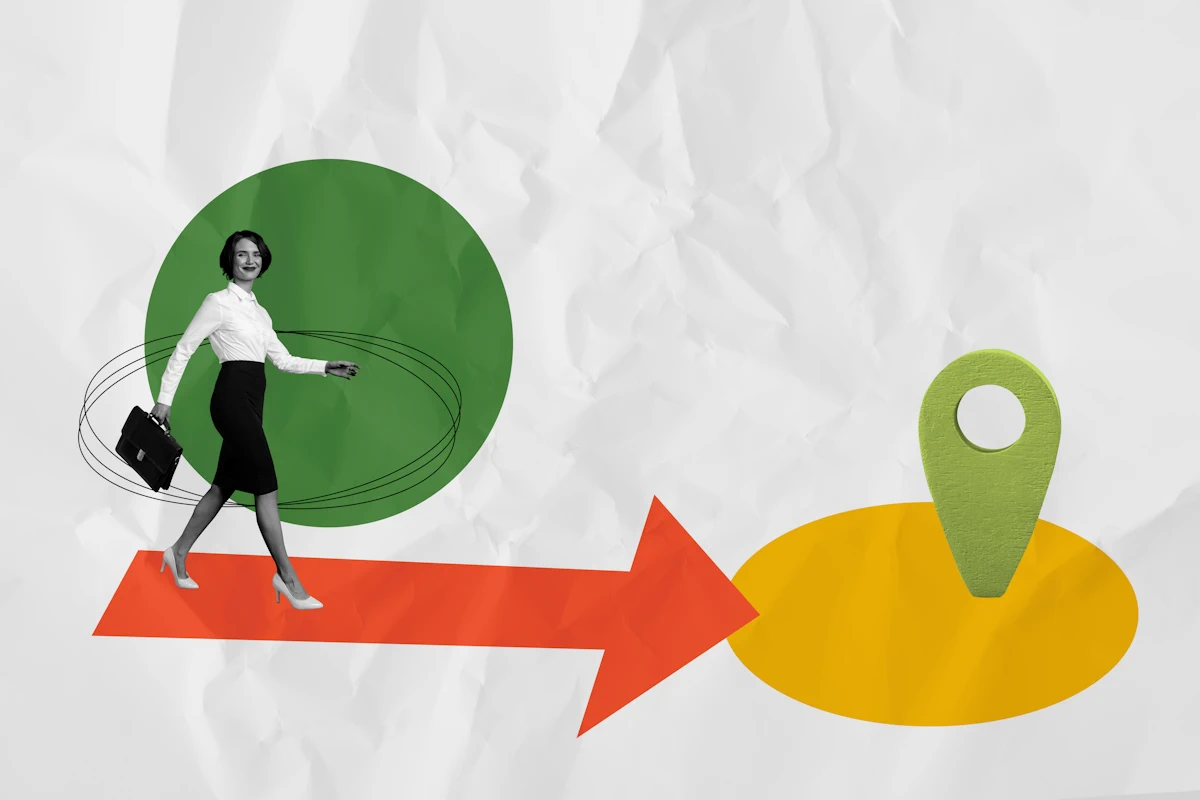
They act more like a compass than a deadline. You may not know exactly where you’ll land, but you trust that you’re moving in a meaningful direction.
As Brené Brown often reminds us, clarity and kindness matter far more than perfection.
How Intentions Change the Way You Relate to Yourself
Intentions set a tone, not a demand
When you begin a new chapter—whether it’s a goal, a habit, or a season of change—intentions help you establish the feel of the journey.
You don’t need the whole plan. You only need to know the baseline, what you want to return to when things feel uncertain.
That alone creates steadiness.
Intentions keep you present with the journey
Expectations fixate on the destination.
Intentions keep you engaged with the process—what you’re learning, how you’re growing, who you’re becoming along the way. Since most of life happens in the middle, this shift makes your days feel more meaningful.
As Thich Nhat Hanh taught, peace is found in how we walk, not where we arrive.
Intentions support consistency—especially on hard days
Not every day comes with energy, clarity, or motivation.
Intentions allow progress to look different depending on the day you’re having. You can still live in alignment with your values even when you’re tired, overwhelmed, or unsure.
That flexibility keeps you moving forward without burnout.
Intentions soften your inner dialogue
Expectations often speak harshly when things don’t go as planned.
Intentions sound different. They sound like guidance.
“I intend to be patient with myself.”
“I intend to act with care.”
“I intend to remain grounded, even when things feel messy.”
Those reminders don’t shame you—they steady you.
Intentions build self-trust and confidence
Every time you choose alignment over pressure, you reinforce trust in yourself.
You prove—quietly, repeatedly—that you can make thoughtful choices. Over time, that consistency builds confidence rooted in integrity rather than achievement.
As Carl Rogers believed, growth happens best in an environment of acceptance.
Intentions reduce disappointment when plans change
Life rarely follows a straight line.
When expectations fall apart, disappointment follows. When intentions guide you, change feels less like failure and more like information.
You become more receptive to outcomes you didn’t anticipate—and sometimes those outcomes fit you better than the original plan ever could.
Intentions ease decision fatigue
When your intentions are clear, many small decisions resolve themselves.
If your intention is to treat your body with respect or choose nourishment, you don’t need to debate every choice endlessly. You simply choose what aligns.
Intentions don’t lower standards.
They change the relationship you have with growth.
They replace pressure with direction, judgment with curiosity, and rigidity with trust. When you live by intention rather than expectation, you create space for real life—complete with detours, pauses, and surprises.
And often, that’s where the most meaningful growth happens.